GDC 2026 - Talks, Roundtables, and No Small Talk
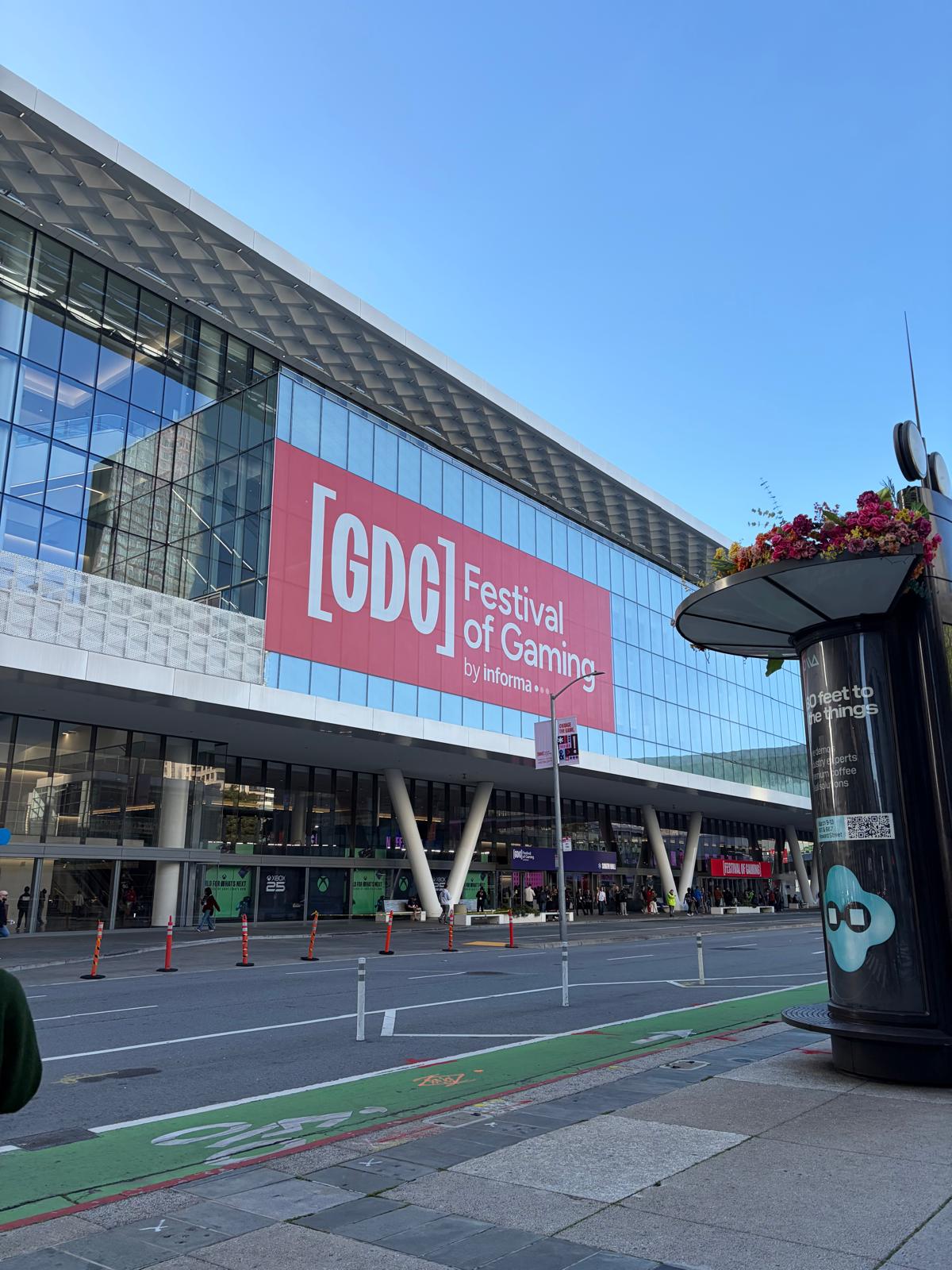
Spent the weekend in SF for GDC this year. My goal going in was simple: ditch the parties and actually learn something. Coming off weeks of development hell with my game team I was not in the right headspace to be doing the whole networking circus. I needed technical oxygen and that’s exactly what I went looking for.
Here’s what I actually attended and thought was worth the time.
Talks
Modernizing the Rendering of ‘Minecraft’
AJ Fairfield walked through the rendering gap between Java and Bedrock edition and how Mojang built a pipeline for Bedrock that could support PBR while still shipping consistent releases. The part that stuck with me was how incremental the whole thing was — they weren’t doing a big bang rewrite in the dark. They opened the new pipeline to third-party creators as a testing ground before it went anywhere near a full release. As someone currently building things that need to keep running while being rebuilt, that hit different.
Turning a “Dead” Genre into a Breakout Hit: The Story Behind ‘Dispatch’
I was really looking forward to this one. Dispatch was probably one of my favourite games of last year and gave me the exact same feeling as the old Telltale games used to. Turns out that’s not a coincidence: the team is basically Telltale alumni who picked up the pieces after it shut down. They talked through all the ways the project mutated during development, including a point where they were apparently close to producing a live-action version of it.
The most interesting reveal though was how late in development the hero management sim mechanic actually got locked in. I had assumed the story was written around the mechanic. It wasn’t. The story came first and the mechanical layer was figured out after. For whatever reason that completely reframed how I think about building games.
Why Good Games Fail: The Startup Audit Every Studio Needs
Honestly one of the better talks of the conference. Very grounded coverage of what studios need to have figured out before they go looking for funding. The main thread that ran through all of it was the difference between signals and proxies - you want the former, most studios are chasing the latter and don’t even know it. Practical, no fluff.
Bringing Cyberpunk 2077 to Mac
This one was genuinely fun. I had heard of Apple’s Game Porting Toolkit from a WWDC a while back but this was the first time I saw a studio actually walk through using it to get a baseline running. What made it more interesting than a generic porting talk was the fact that Cyberpunk runs on CD Projekt Red’s custom REDengine: so rather than seeing how someone navigated an off-the-shelf engine’s Mac support, I got to see exactly which parts of their own pipeline they had to touch to add macOS as a new build target.
They also showed off a “For Your Mac” setting they’ve introduced that automatically configures the game for each hardware variant. The timing couldn’t have been better: this was the same week the MacBook Neo launched and they had it running on the budget model live. It was hovering around 50fps which, for Cyberpunk on a budget laptop, is more impressive than it sounds.
Neural Graphics in Practice for Next-Gen Game Development (Arm)
Arm presented their SDK for neural rendering: specifically frame generation between two rendered frames to reduce GPU and memory load. Still early but the direction is clear. This is where mobile and lower-end hardware goes next.
Micropolygon Rendering in ‘Anvil’
Ubisoft essentially walked through how they reverse-engineered Nanite from Unreal Engine and brought micropolygon rendering into their own pipeline. Whether or not you want to call it inspiration or dissection, the technical breakdown was solid and the implementation decisions were interesting to hear justified out loud.
Roundtables
Tools Development Roundtable
This one covered shared libraries, internal plugins, and the problem of syncing data across teams - specifically around merging data tables in different file formats. Got some concrete examples from Nvidia that were worth the price of admission alone.
What stood out though was how apparent it is that there are still massive gaps in tooling for niche graphics industry problems. Things nobody has built a clean solution for yet.
Best moment of the entire conference: someone in the roundtable brought up a well-regarded internal version control tool that shipped at Unity. The room started praising it. The guy who actually built the tool was sitting right there and just went “I BUILT THAT TOOL.” Genuinely great.
Audio Programming Roundtable
More DSP-focused than I expected. Mostly studios sharing what their audio programming workflows actually look like in practice and what they’ve built for specific shipped titles. Good signal on where the interesting pipeline work is happening in audio.
Closing Thoughts
The talk lineup this year leaned heavily practical which I appreciated. Not a lot of “here’s the future” hand-waving - mostly here’s what we built, here’s why, here’s what we got wrong. That’s the stuff I actually want to hear.
The graphics track in particular gave me a lot to think about for the direction I want to take with engine development. Between the Minecraft pipeline talk and the Nanite reverse-engineering session, there’s a clear picture forming of where rendering architecture is headed and how studios with very different resources are navigating the same set of problems.
Worth the trip.